Soulbury, Nr Milton Keynes, Buckinghamshire
BNG MITIGATION SITE
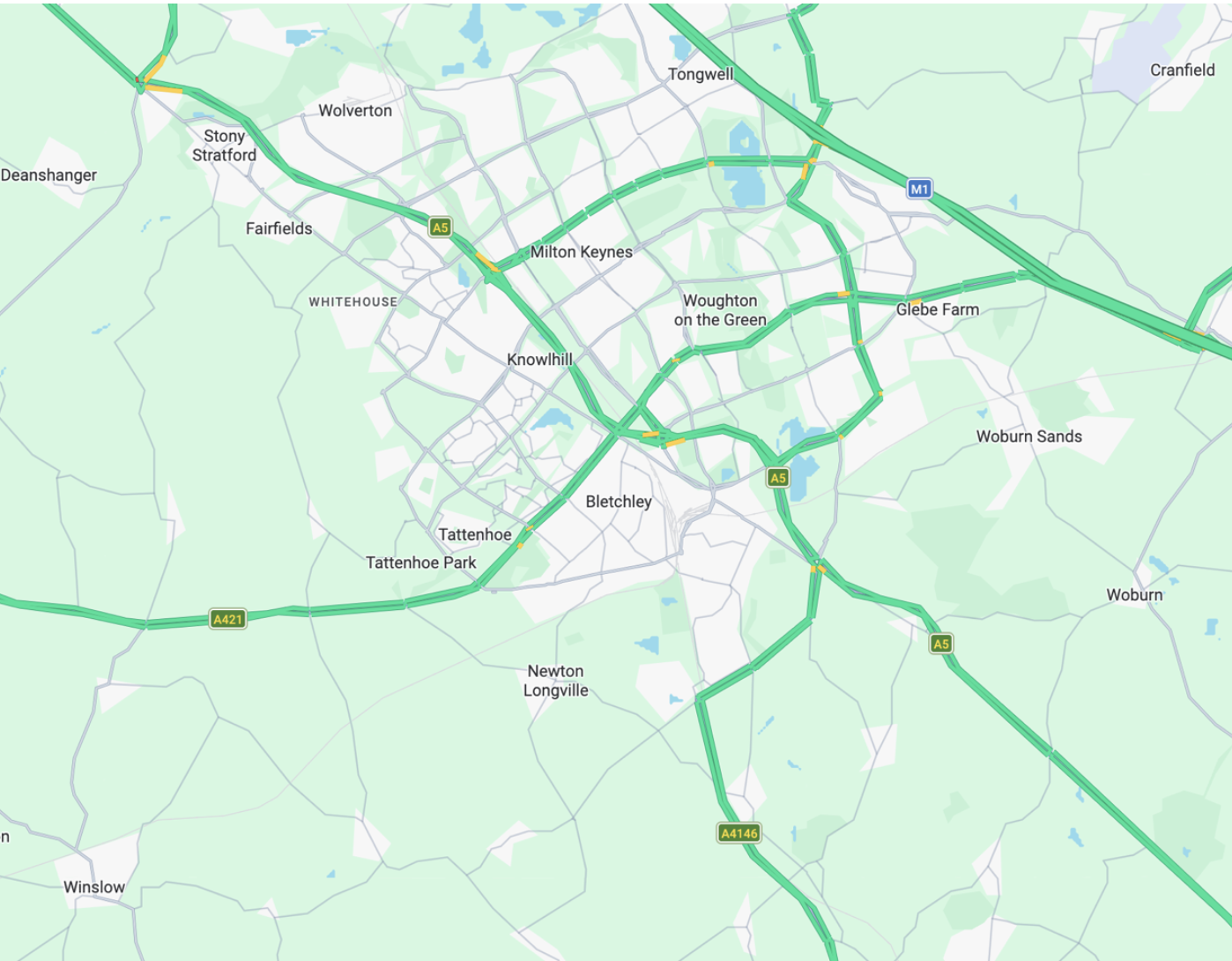
Located only 5 miles from the outskirts of Milton Keynes, within Buckinghamshire LPA, Bedfordshire and Cambridgeshire Claylands NCA and Buckinghamshire LNRS.
The land forms a parcel of arable land extending to over 200 acres on the outskirts of Milton Keynes.
Existing
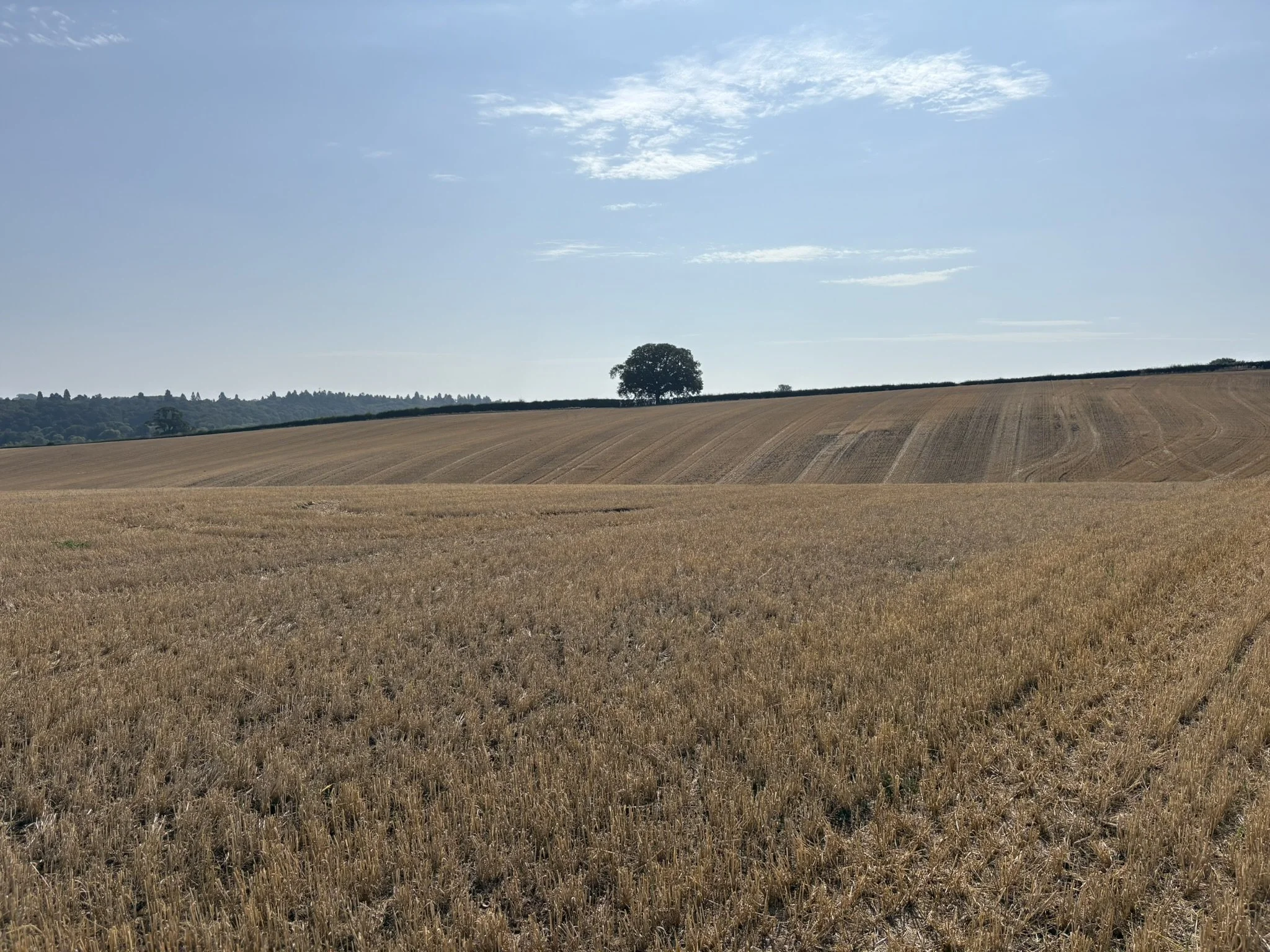
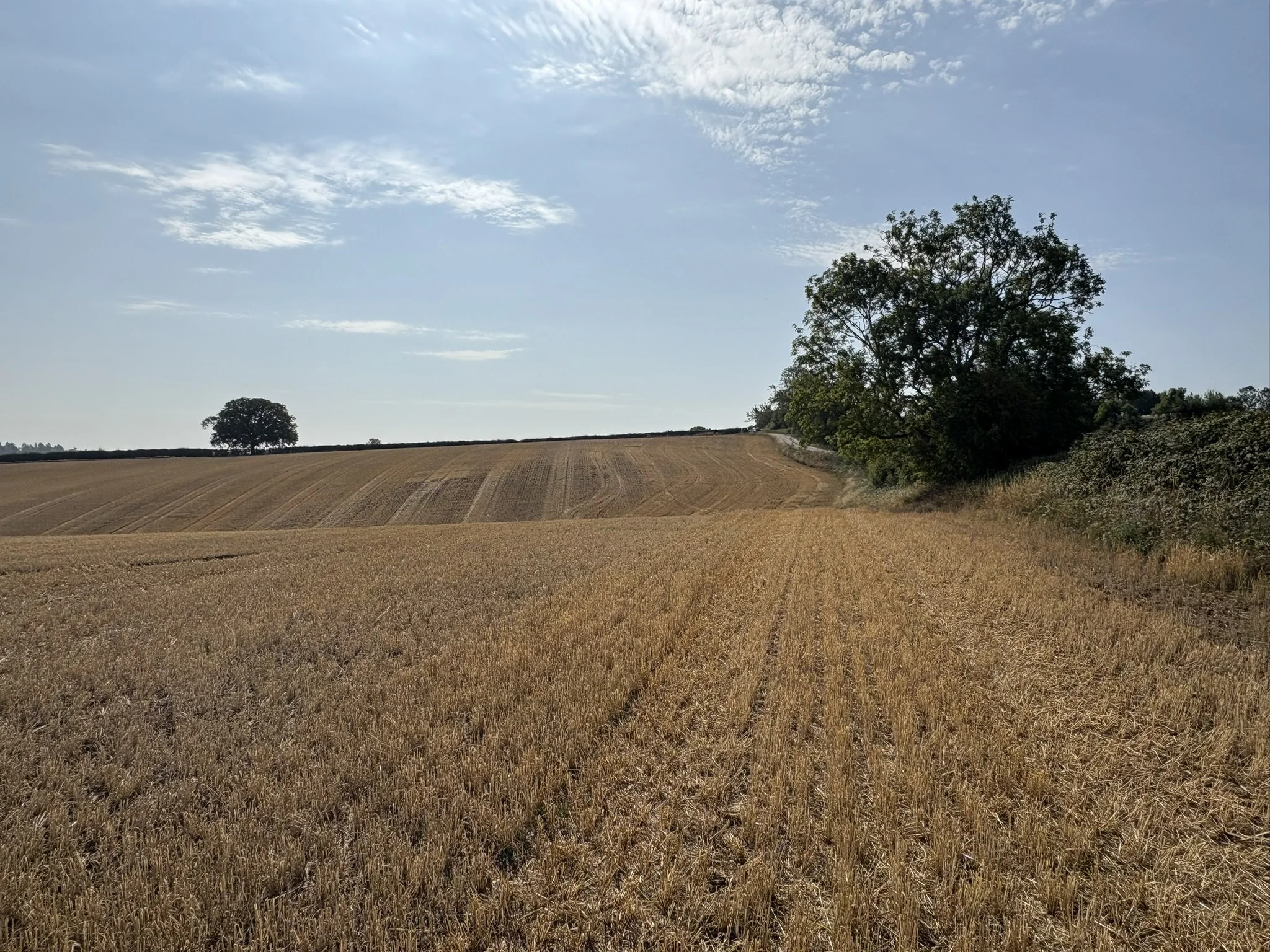
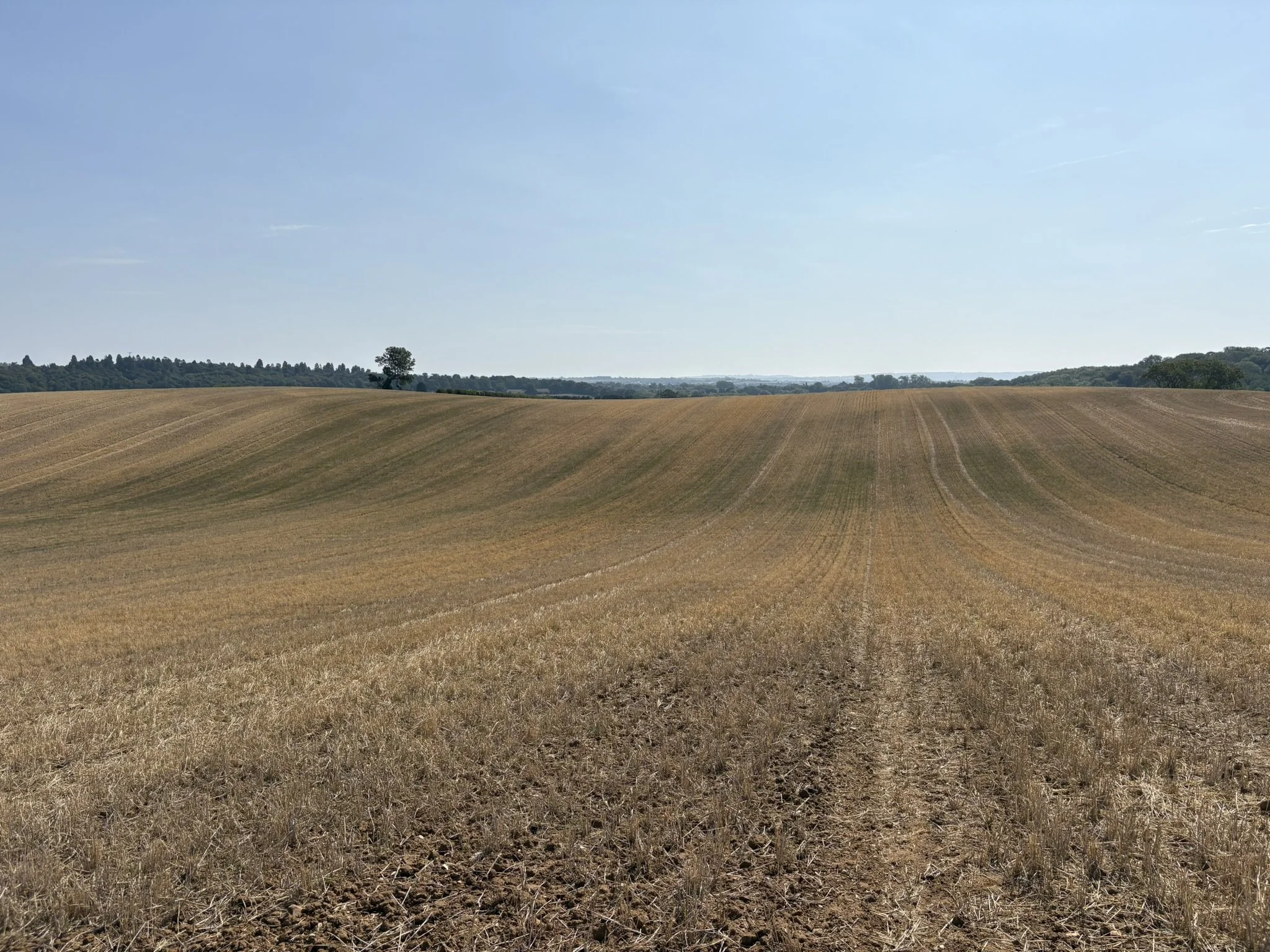
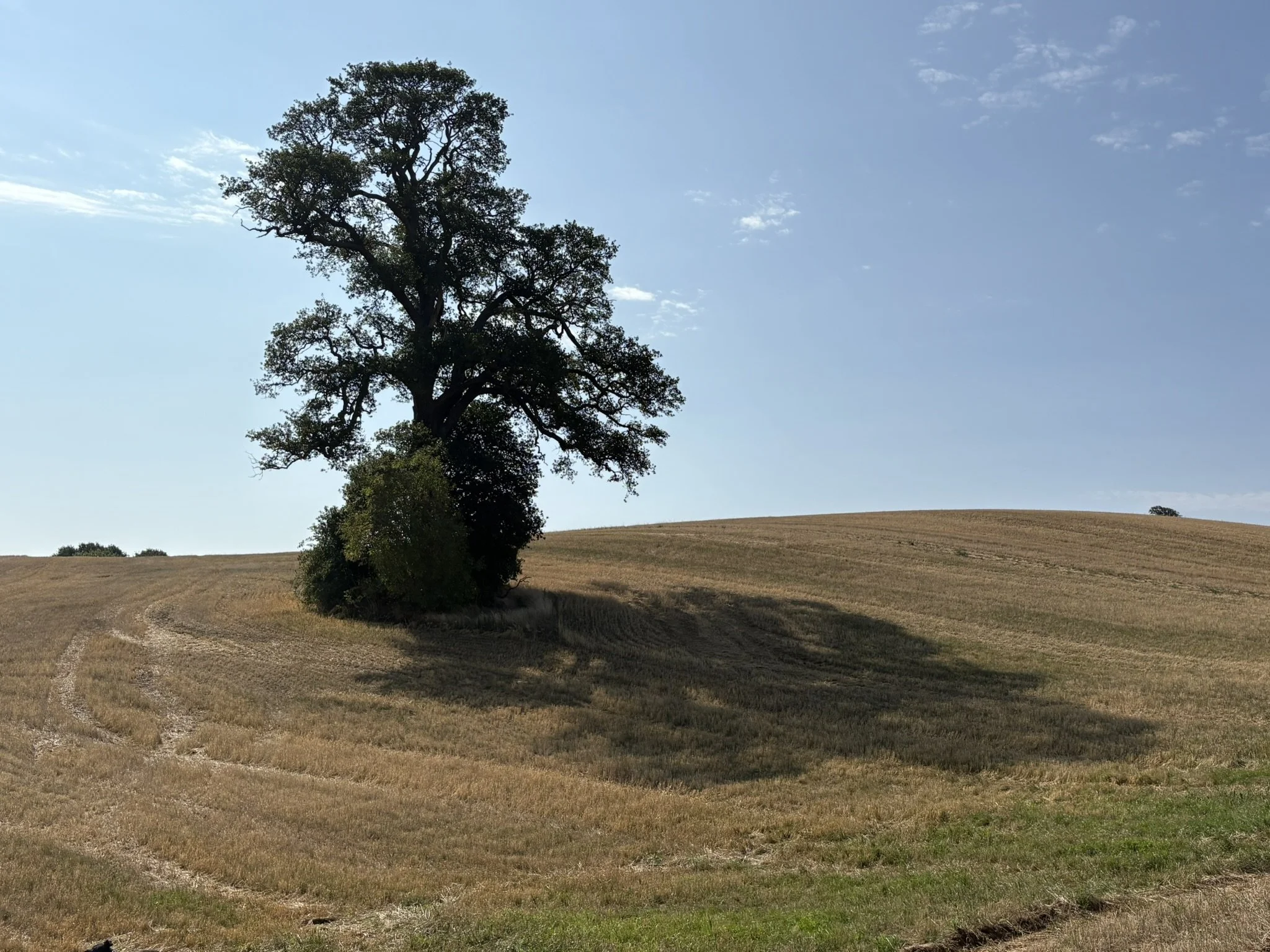
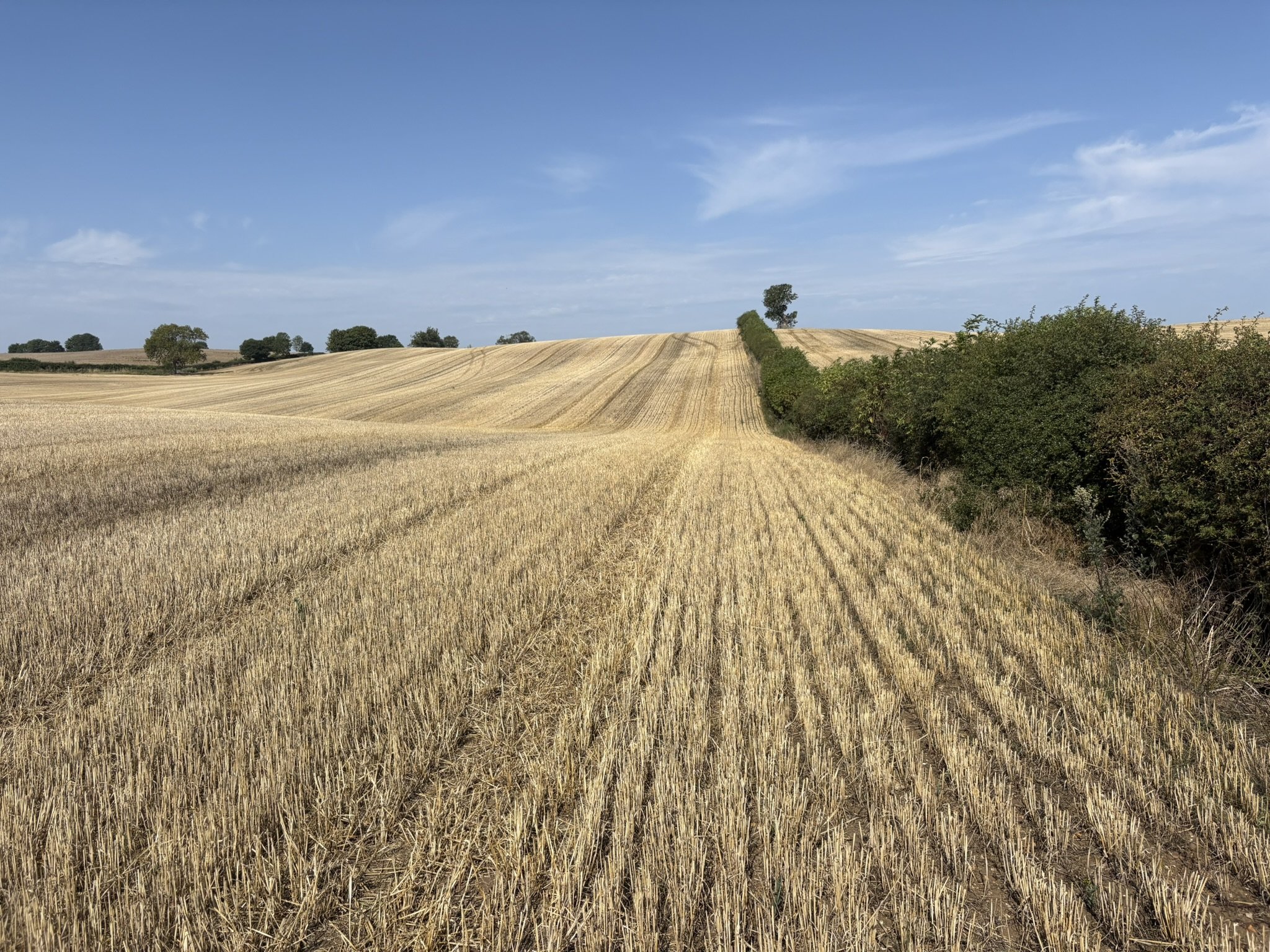
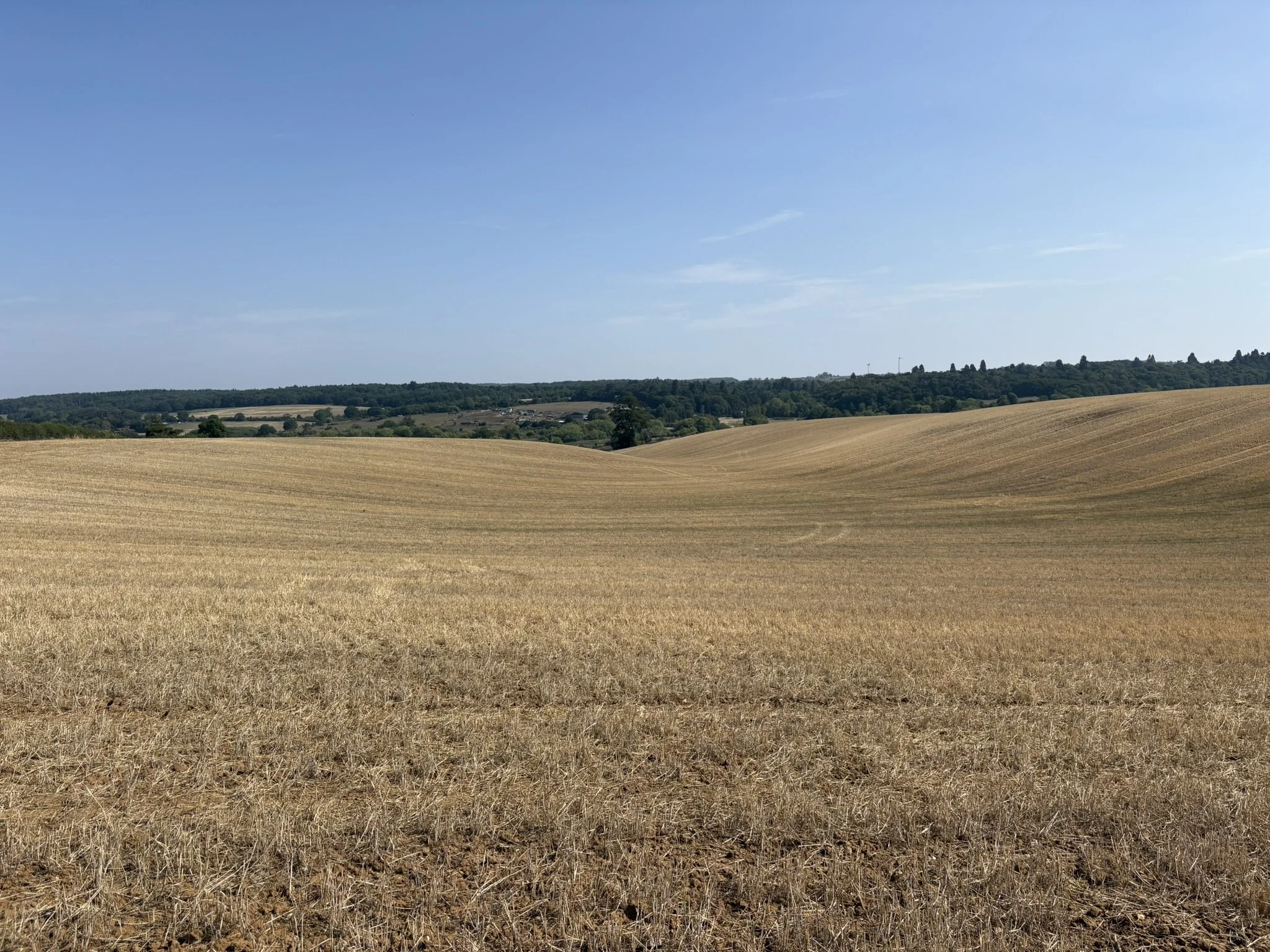
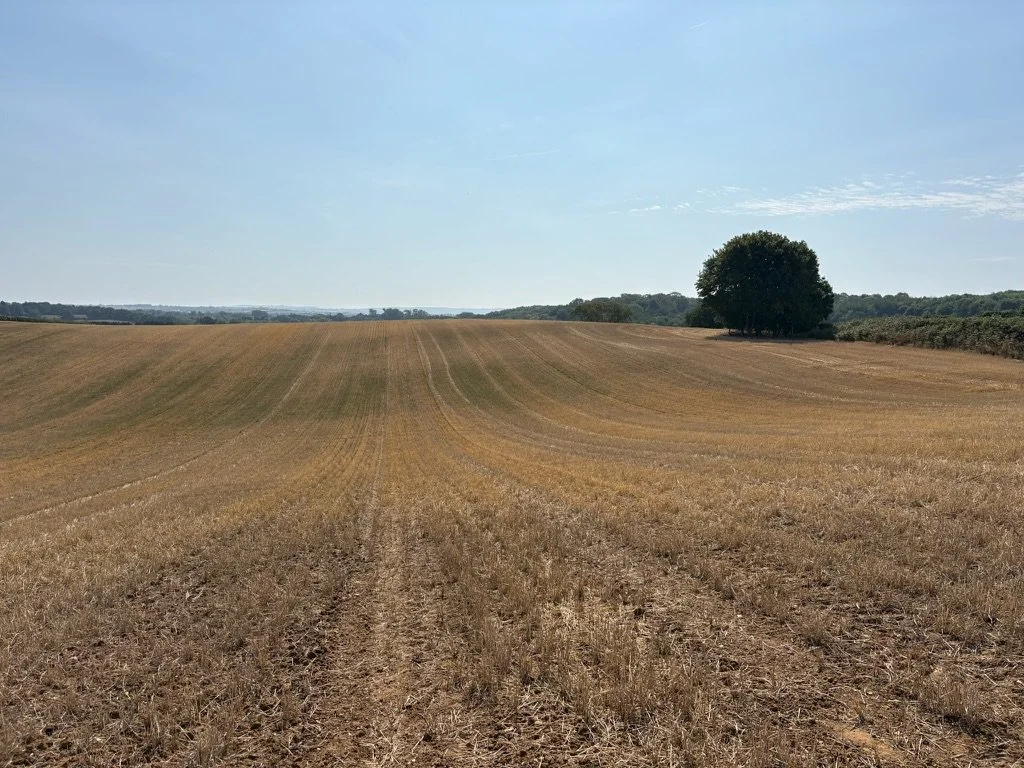
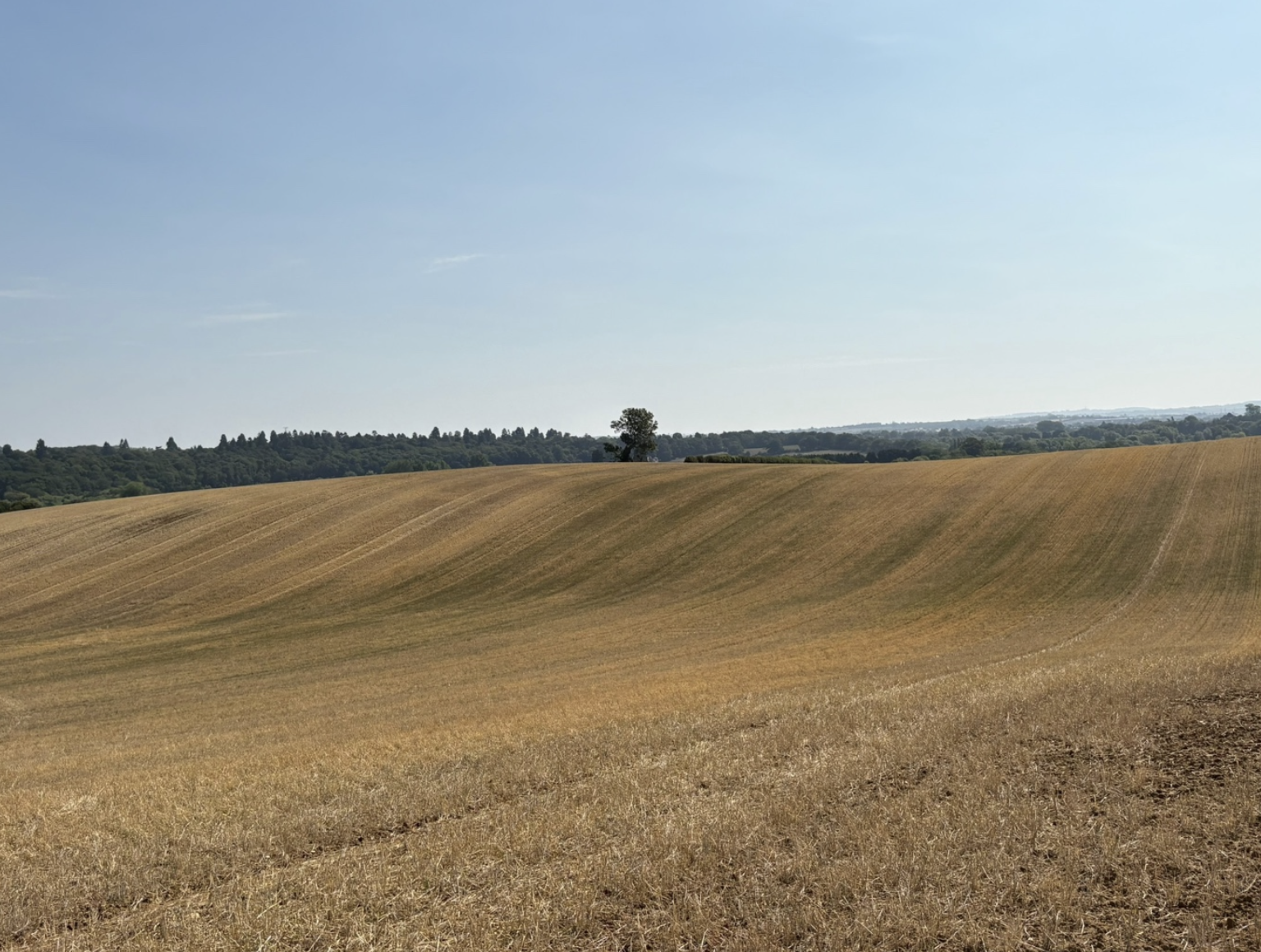
As can be seen from the images below the land represents a barren arable landscape with little to no biodiversity on site and little in the way of any benefit to local wildlife. Where once there were hedgerows dividing up the land into small fields, over the years these have all been removed to ease modern farming.
The land has suffered from declining yields and the need to increase the amounts of fertilisers applied. This led to the land becoming unprofitable for the local farming family who decided to retire and pass on the land for other uses.
Professional Team
Nature Capital Partners have assembled a team of professional advisers,
covering all aspects of the project, from lawyers to agronomists and hydrologists. These are all well recognised in their field and have experience in habitat bank creation and maintenance.
Our ecologists, Maydencroft, already advise multiple habitat banks and are one of the leading specialists in the BNG market, covering all aspects from design and
implementation through to on-going site management.
Our land manager at Old Linslade is a local contractor from the same farming family who have managed one of our other sites locally for over 50 years. Their knowledge and expertise will contribute enormously to the successful delivery and long-term management of the habitat improvements here.
Wildlife Benefits
The land is within 2km of seven existing Designated Wildlife sites, including two SSSI’s and it is hoped and expected that biodiversity improvements here will support the wider area.
The proposed scrub, traditional orchard, hedgerow and other neutral grassland will enhance biodiversity by providing foraging, shelter, and connectivity for a range of species, including badgers, bats, amphibians, invertebrates, and farmland birds.
Careful habitat design and management will benefit ground-nesting birds such as lapwing and skylark.
The potential for regionally and nationally scarce moths and butterflies, including the brown hairstreak, cinnabar, small square-spot, shoulder-striped wainscot, mouse moth, grey dagger, least carpet, and dotted chestnut, will be catered for in the species mixes to ensure larval food plants and nectar sources are available on the Site.
Other protected species such as common frog, grass snake, and brown long-eared bat may benefit from the habitat creation due to the provision of improved foraging, sheltering, and connectivity opportunities.
Bi-annual surveys will be undertaken to track how the biodiversity improvements on site lead to increased wildlife activity and any new or rare species on site.
Wider Community Benefits
The well used footpath runs across the Western side of the site and new education boards will be installed along this stretch. These will detail out our planned improvements to both habitats and wildlife, encouraging the public to engage and record any sightings they see.
The purchasers of our BNG units will be supplied with the records of how the site develops over time with reports and video footage, for them to use for their own internal or marketing purposes. We will also encourage their clients to come along and experience the improvements for themselves and to see how the investment in biodiversity has improved the ecology of the area.
Local schools will be offered the opportunity to visit the site and have an educational tour, led by one of our ecologists.
It is hoped that this will create a local community of supporters and improve the understanding of the importance of biodiversity and its impact.
Our Difference
Nature Capital Partners own all our Habitat Bank land and as such offer a
much more secure option to clients. Being the landowners and being responsible for the 30-year management means that there is full transparency, one point of contact for our clients and a single party fully responsible for the whole process.
We also ensure that each habitat bank is financially secured with an endowment fund for the full cost of the 30-year management. We feel that this is the best way to ensure that our projects are of the highest integrity and this gives our clients the security in knowing that the funding is in place.
Availability
Units are available as detailed below:
Traditional Orchard. High Distinctiveness
Other Neutral Grassland Medium Distinctiveness
Mixed Scrub. Medium Distinctiveness
Native Hedgerows. Medium Distinctiveness
Species Rich Hedgerows with Trees. High Distinctiveness
For further information please contact:
Development Plan
Currently a blank canvas the overall scheme has been designed with careful consideration to the restoration of the land and improving its connectivity to the adjacent areas of locally important biodiversity.
Our plans include:
the reintroduction of the historical hedgerows that were once on site,
Planting bespoke wildflower and herb seed mixes to enrich grassland biodiversity,
Introduction of an area of Traditional Orchard,
Planting of mixed scrub borders.
In due course the aim is that the site at Soulbury will develop into a locally significant project of large-scale nature restoration with biodiversity improvements combined with improvements to the local wildlife population.
Soulbury is a prime example of our commitment to large-scale biodiversity
Restoration, in a location already identified in the Local Nature Recovery Strategy as suitable for our proposed habitats. This regionally significant project highlights our ability to transform monocultures into thriving, interconnected ecosystems that support both biodiversity and wildlife with larger community benefits.